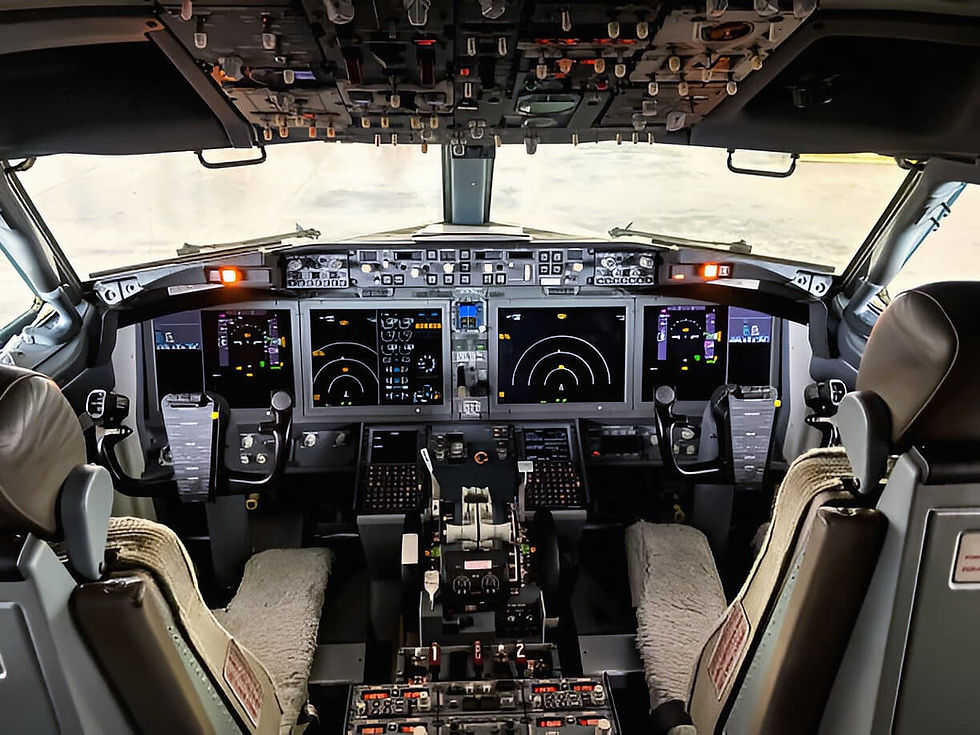
Landing in Flight Simulation: The Anatomy of a Precise Approach


There’s something quiet about a well-executed landing. No sudden movements, no sharp corrections. Just a steady approach and a smooth transition from
air to ground. When landing in flight simulation, it’s easy to focus on visuals
and scenery.
But what really shapes the experience is the connection between your hands and the aircraft through the controls.
The Glide Down: More than Just Numbers
Approach stability is often discussed in terms of speed, pitch, and descent rate. However, what holds it all together are the small, continuous inputs. Slight pressures on the yoke, gentle roll adjustments, and fine trim corrections.
When the controls respond with the right feel and weight, these adjustments become more natural. Instead of relying on large movements, you start focusing on the details.
Power and Patience
Throttle management during the final approach isn't just about pulling back at the right time. It’s about making small, smooth adjustments to maintain the right descent profile.
When your simulator gear provides realistic resistance and motion, it becomes easier to develop a consistent technique. That familiarity makes your control inputs feel more intentional and less like guesswork.
The Flare: A Quiet Shift
Just before touchdown, there's a brief change. A small pitch-up for the flare, maybe a bit of rudder input depending on conditions. It’s not a dramatic moment, but it requires precision.
With pedals that allow subtle rudder control and toe brakes that respond predictably, this final phase of flight feels complete. Every part of your landing works together.
After Touchdown
Even once the wheels are down, the landing isn’t over. Slowing down, maintaining direction, and exiting the runway all require attention. If your setup includes a steering tiller, it adds a final layer of realism. It’s a small detail, but one that changes how the whole experience feels.
Final Thoughts
Landing skills improve over time, but they depend on reliable feedback. When your controls behave in a consistent and believable way, every flight becomes a chance to fine-tune how you fly.
It’s not just about getting the plane on the ground. It’s about building the kind of focus and coordination that makes the process feel right from start to finish.