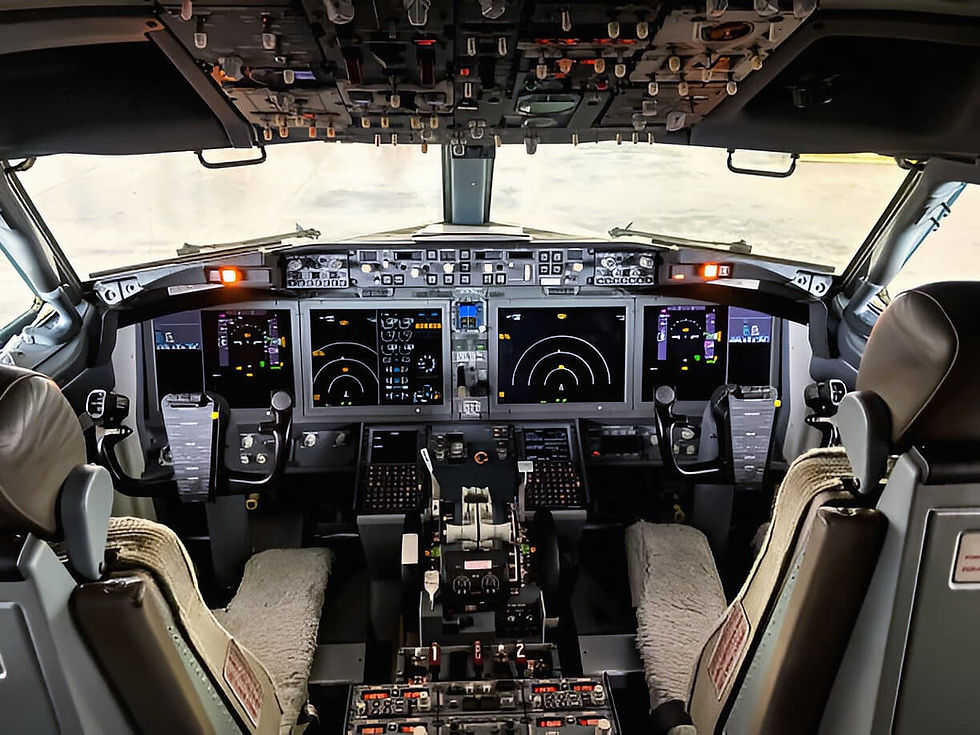
The Role of Metal Components in Realistic Flight Simulation


Flight simulation depends on more than just visuals or flight models. The physical materials we interact with also shape how real the experience feels.
One detail that quietly reinforces immersion is the use of metal.
Weight, Response, and Familiarity
Metal components in flight simulation bring a kind of steadiness to simulator setups. Whether it’s a structural support, a control column, or a mounting plate, the use of metal can influence how the whole simulator responds to input. Movement feels more intentional and weight is transferred with less flex. That's a grounded quality that lighter materials often struggle to replicate.
This material consistency helps support fluid, repeated actions. Whether you're adjusting rudder pedals or moving a yoke, the feeling of resistance and return becomes something you get used to. That familiarity contributes to smoother handling over time.
Holding Shape and Feel Over Time
Materials affect not only how things feel, but how they last. Over many sessions, even careful use can put wear on parts. Metals that are machined or cut tend to maintain their shape and movement. They resist the small shifts or play that can creep in and gradually affect the sense of control.
A stable base, a rigid frame, or a gear that doesn’t twist slightly under tension — these qualities might not be obvious right away, but they reveal themselves over time. They reduce distraction and help you stay focused on the flying itself.
Precision Where It Counts
Some parts in simulation setups require especially tight tolerances. Structural mounts, mechanical linkages, or any element that supports repeated, load-bearing movement can benefit from machined metal construction. These parts are designed to work quietly in the background, doing their job without needing constant adjustment.
When everything stays in place and responds predictably, the experience becomes less about managing the hardware and more about flying.
A Material Difference
The realism of a flight simulator isn’t just about what’s on screen. It’s also about what you feel. Materials play a role in that. Metal brings stability, consistency, and a physical presence that supports the simulation rather than getting in the way of it. Even if it’s not the first thing you notice, it’s one of the reasons things just feel right.